Colour from structure
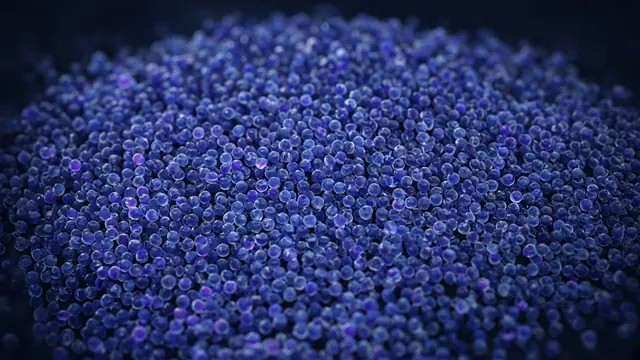
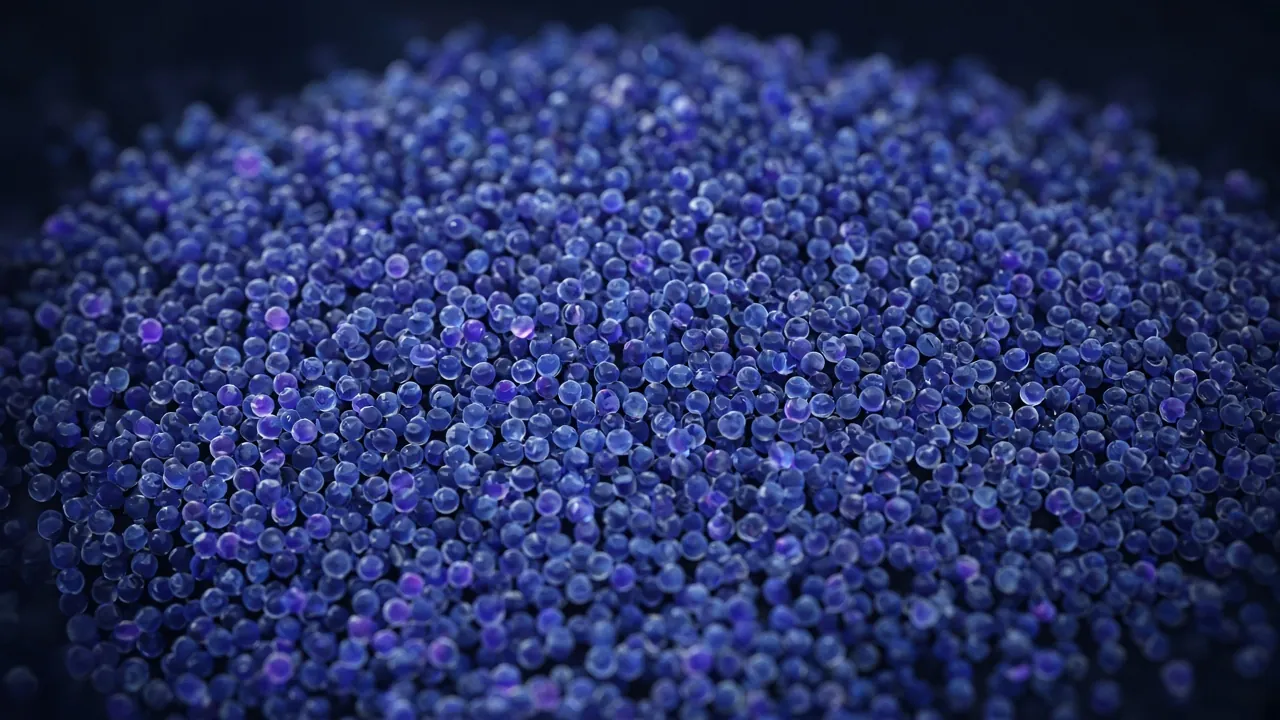
Structural colour arises when geometry selectively reflects or scatters wavelengths. In isotropic photonic glasses, local correlations create colour with weak dependence on viewing angle, with particle size and sample thickness shaping the appearance.1
Designing the visible spectrum
A useful colour needs both a wavelength-selective response and saturation. Research identified unwanted short-wavelength scattering as the reason red photonic-glass colours had appeared weak.2
A full-spectrum advance
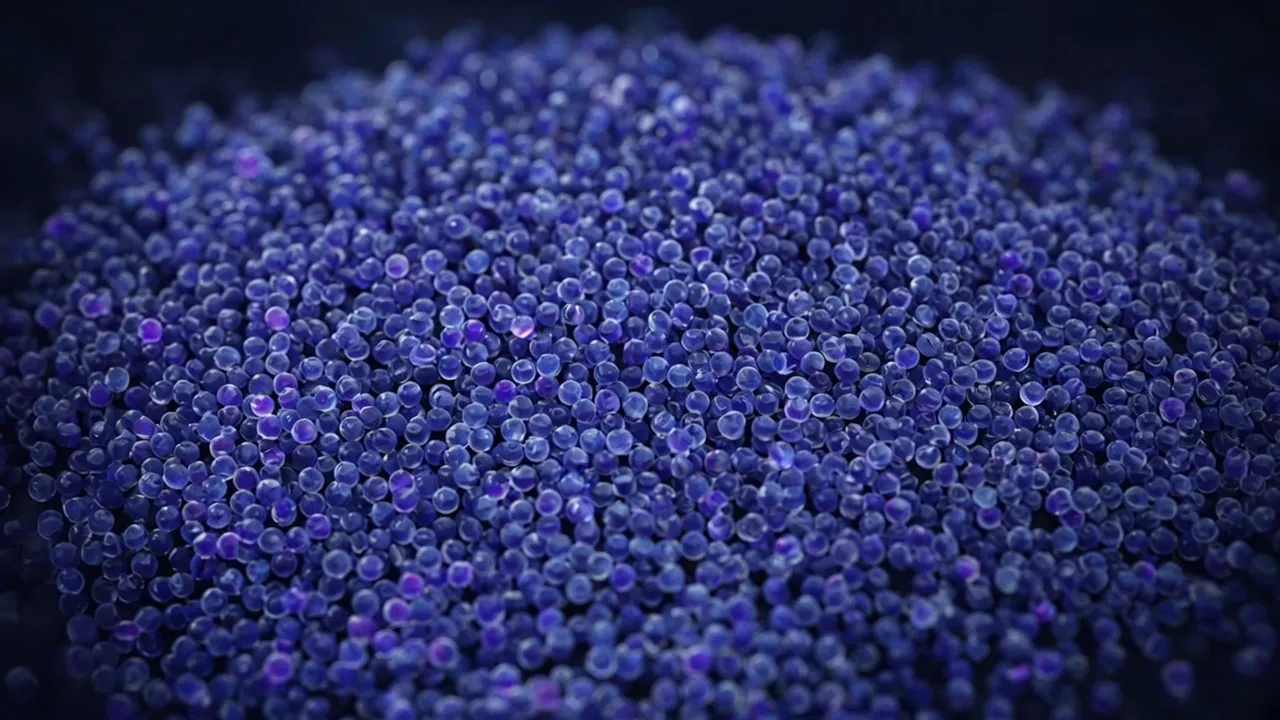
A 2026 PNAS paper reports metallodielectric photonic-glass paints built from engineered particles, achieving saturated, angle-independent colour across the full visible spectrum, including red.3
From specimens to surfaces
Routes include functional coatings, decorative finishes, indicators and materials whose appearance comes from their microstructure, with binder, substrate, durability and process engineering defining each product. The Harvard Manoharan Lab studies how disordered structure creates colour.4
Sources
- The Structural Colors of Photonic GlassesUniversity of Cambridge repository
- Absence of red structural color in photonic glasses, bird feathers, and certain beetlesPhysical Review E · 2014
- Metallodielectric photonic glass paints enable hyperchromatic, angle-independent structural color across the full visible spectrumPNAS · 27 May 2026
- Structural colorHarvard · Manoharan Lab