Light transport through disorder
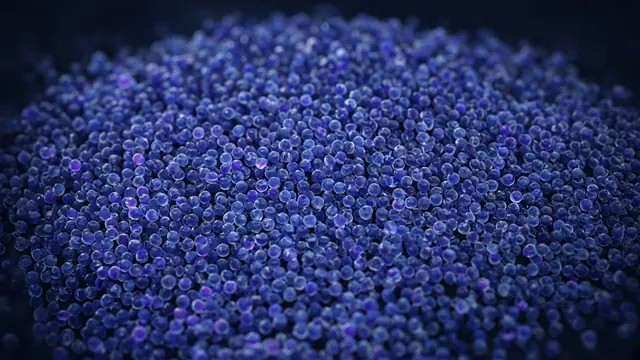
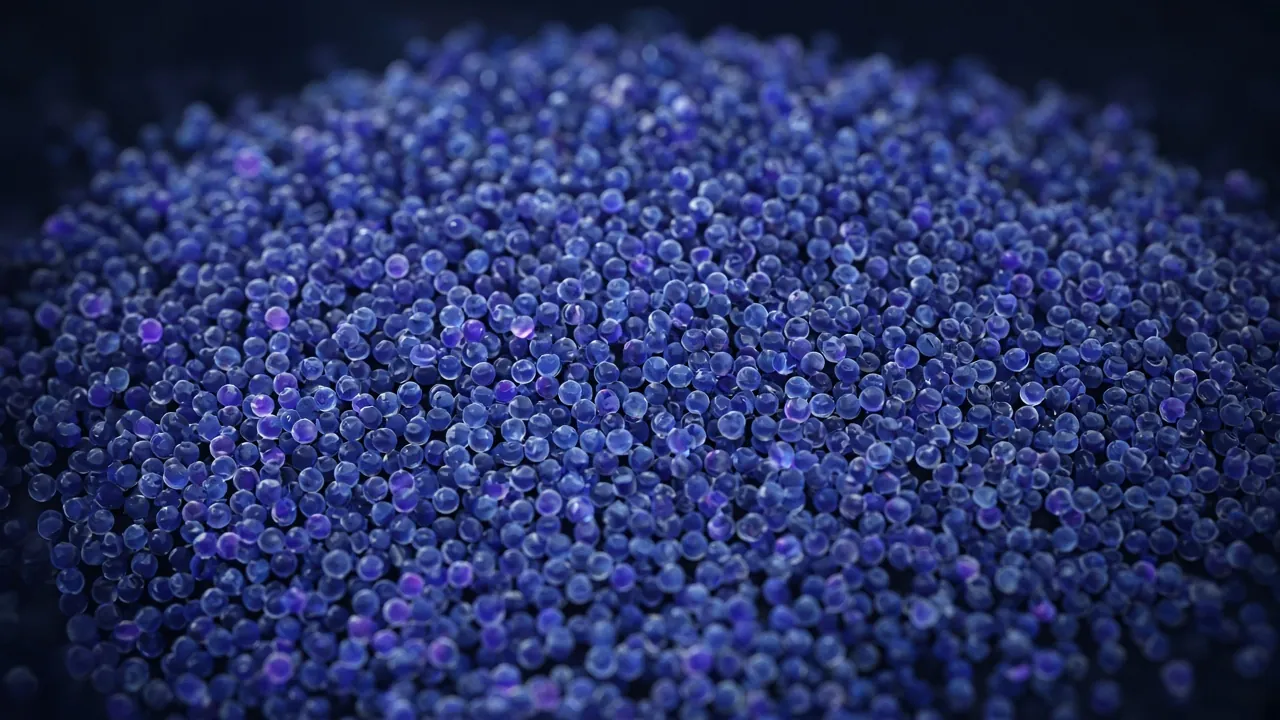
A disordered medium can scatter light many times before it exits. Particle resonances and local packing shape that transport, as experiments on Mie modes in photonic glasses demonstrate.1
Random-laser principles
A random laser combines optical gain with feedback from scattering rather than a conventional pair of mirrors. Work on photonic-glass random lasers shows how resonant scattering tailors emission once a gain medium is introduced.2
Engineering the response
Particle geometry, spectral resonances, gain distribution and the arrangement of scatterers all become design variables, producing emission with properties distinct from a conventional cavity laser.
Research directions
Photonic glasses provide a controlled system for studying resonant light transport in random media, with links to light confinement, emission control and wave-transport phenomena.3
Sources
- Resonant light transport through Mie modes in photonic glassesPhysical Review A · 2008
- Mie resonances to tailor random lasersPhysical Review A · 2009
- Photonic Glasses: A Step Beyond White PaintAdvanced Materials · 2010